
A Revolutionary plaque-targeted anti-inflammatory therapy.
Orticumab
A Brutal Truth…
Despite our best lipid-lowering strategies, many post-ACS patients remain at high risk for recurrent events due to plaque inflammation
Oxidized LDL and proinflammatory macrophages play critical roles in plaque inflammation and rupture
Pathophysiology of Acute Coronary Syndrome (ACS)
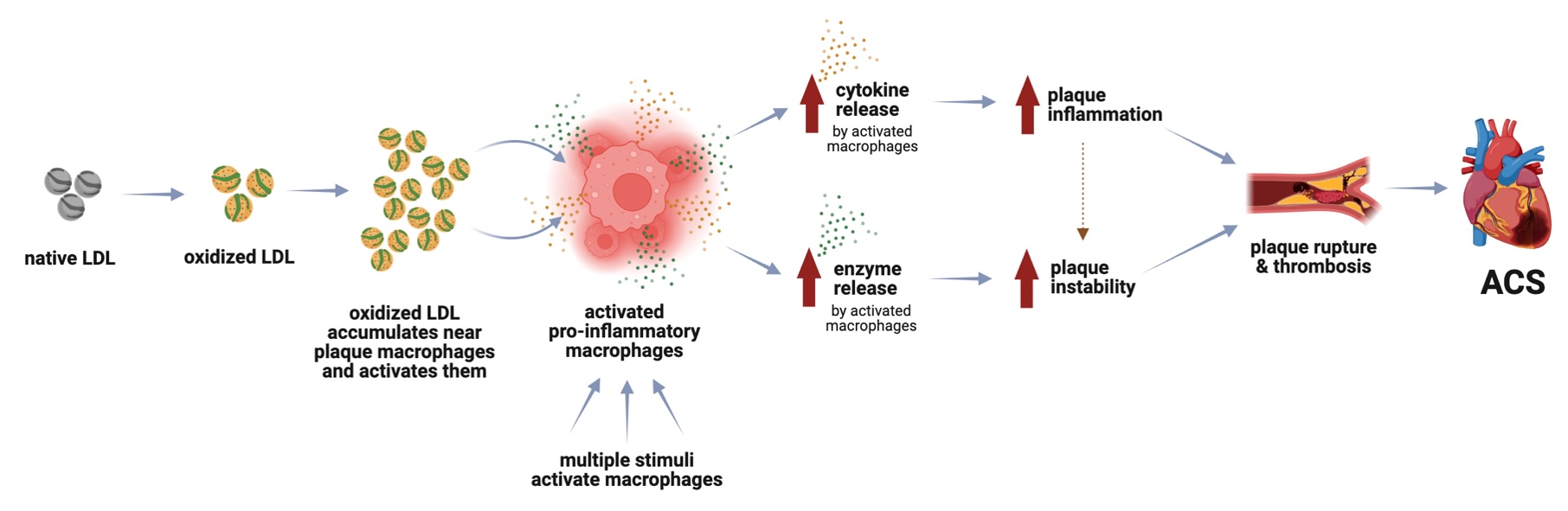
Can we precisely target residual plaque inflammation by inhibiting pro-inflammatory plaque macrophages?
Orticumab: A first-in-class fully-human antibody that specifically binds to oxidized LDL with modified ApoB
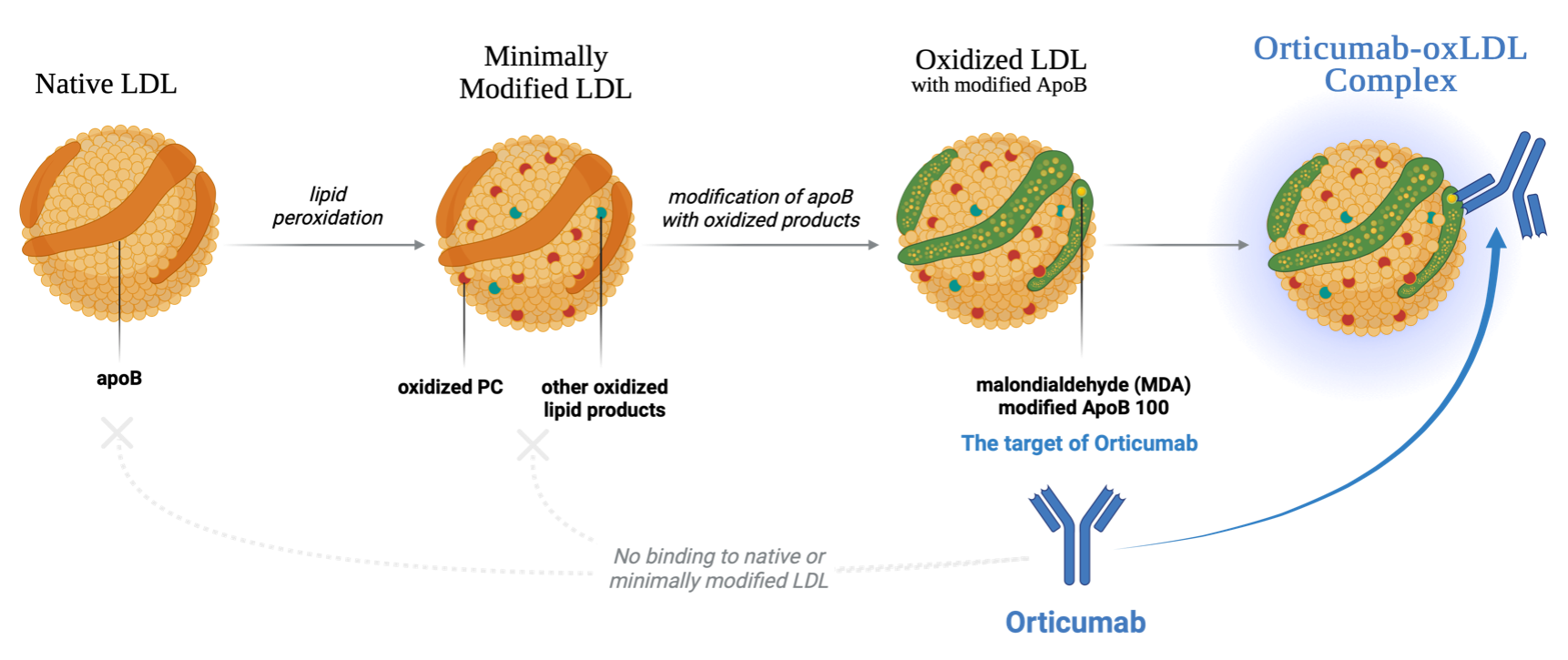
Orticumab Inhibits Pro-Inflammatory Activity Of Plaque Macrophages By Activating An Inhibitory Cell Surface Receptor (Fc𝜸 Receptor II) And Thereby Down-Regulating NF-kB
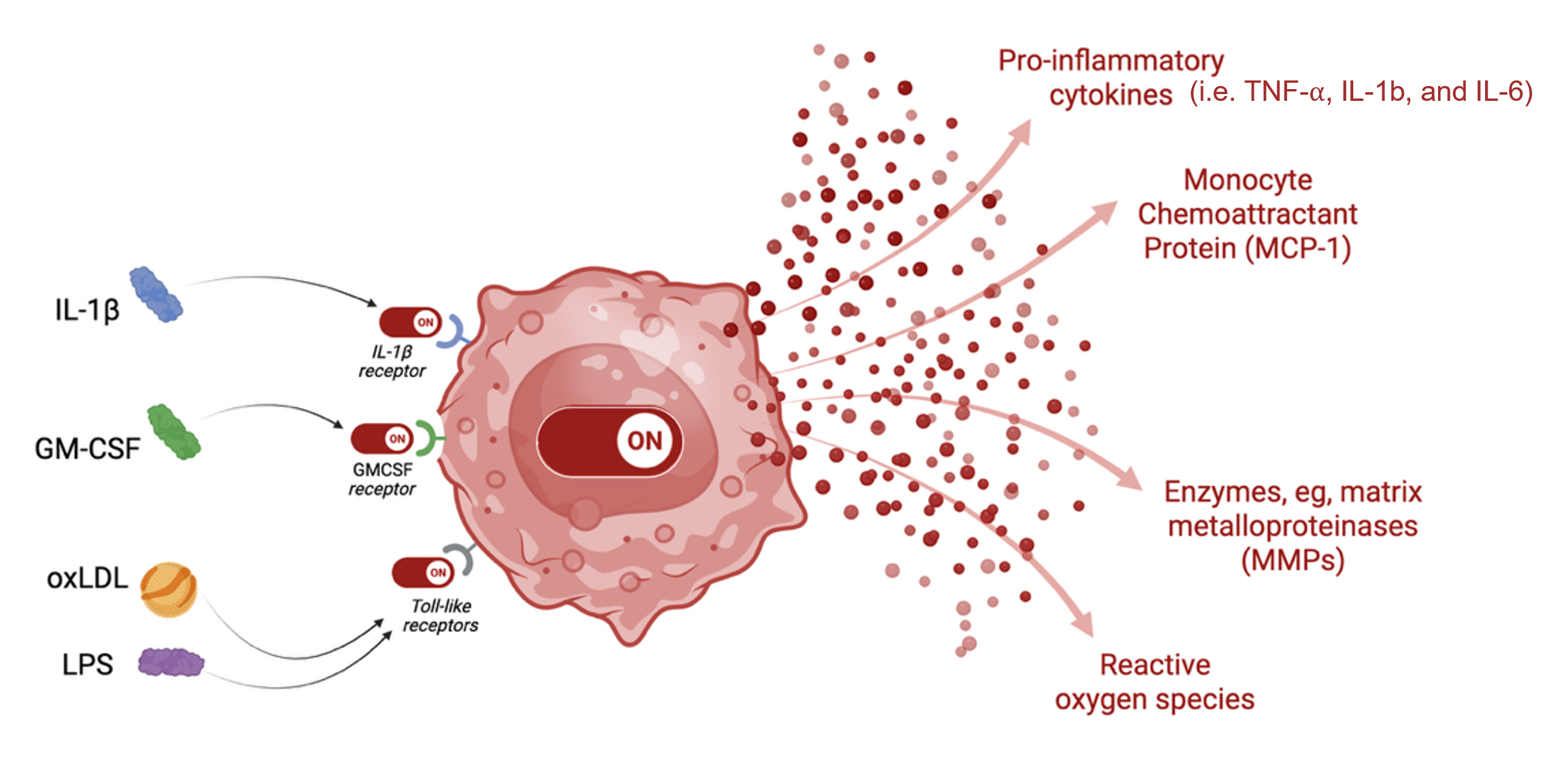
Activated Microphage
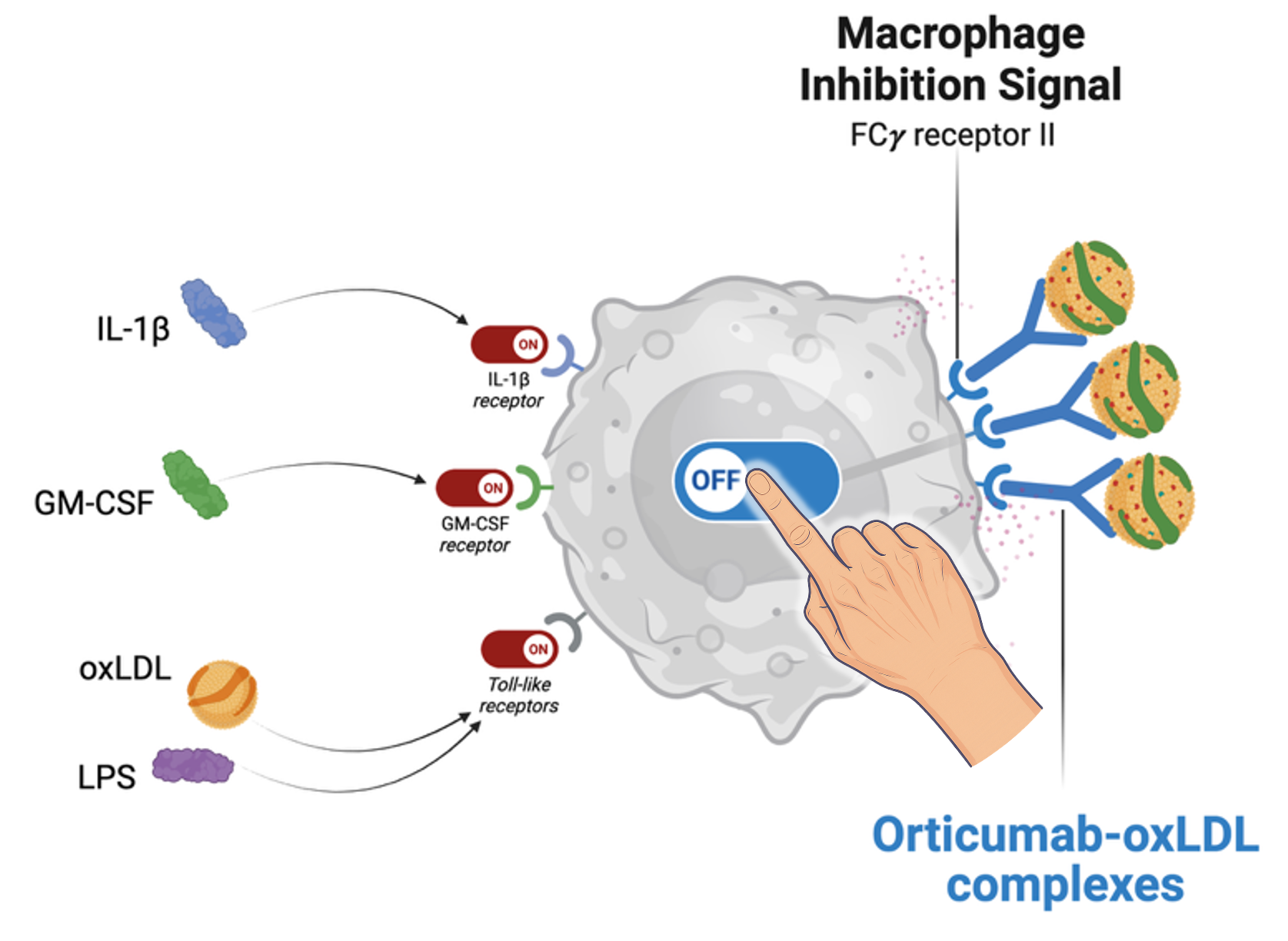
Inhibited Macrophage
Plaque Targeted Action
Orticumab complexes with oxidized LDL and reduces macrophage activation thereby reducing plaque inflammation, vulnerability and size

Does this novel approach reduce coronary inflammation and CV events?
A new imaging test called the “Fat Attenuation Index” Score can now measure coronary inflammation for the first time and can predict cardiovascular events
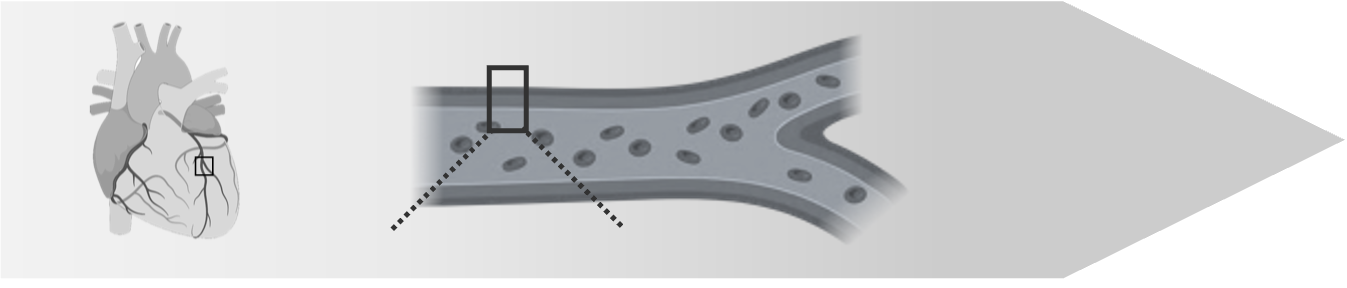
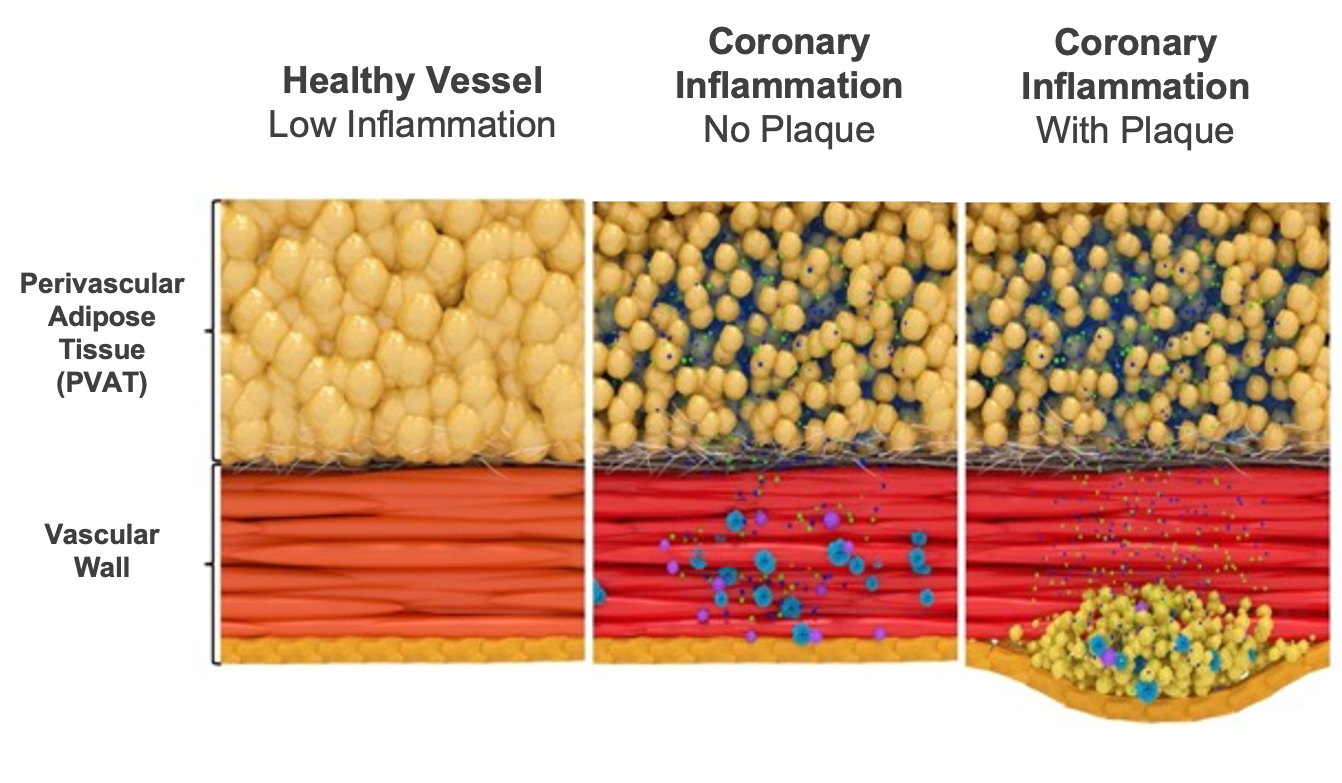

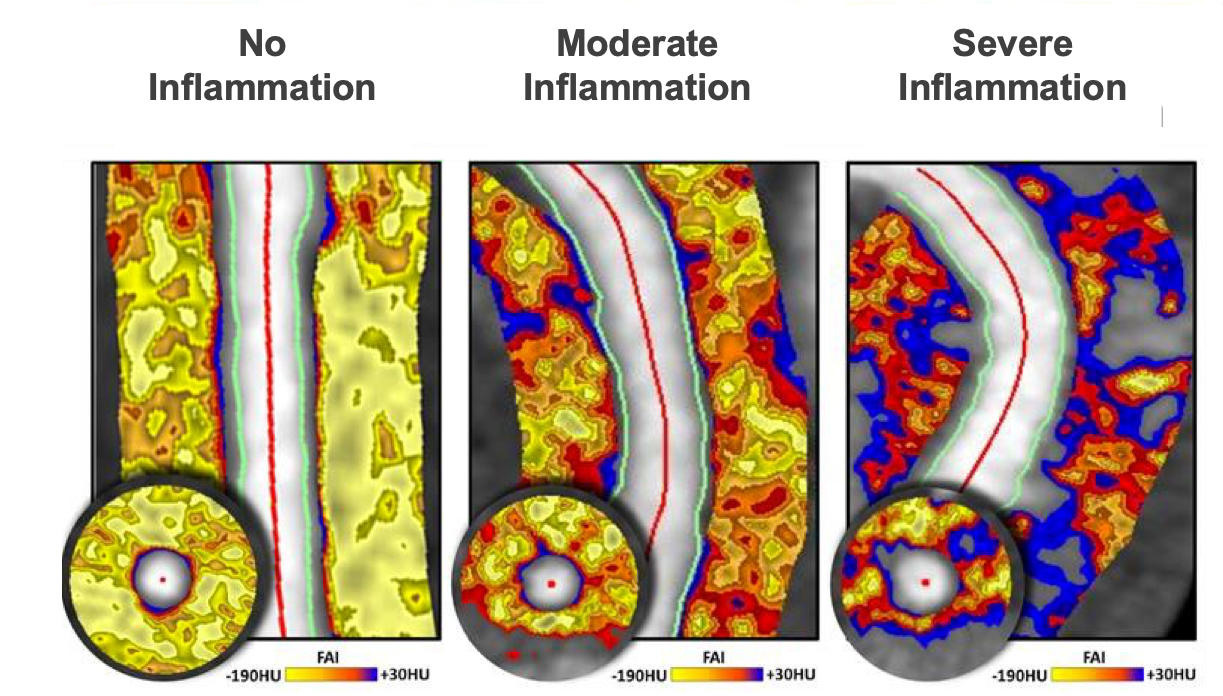

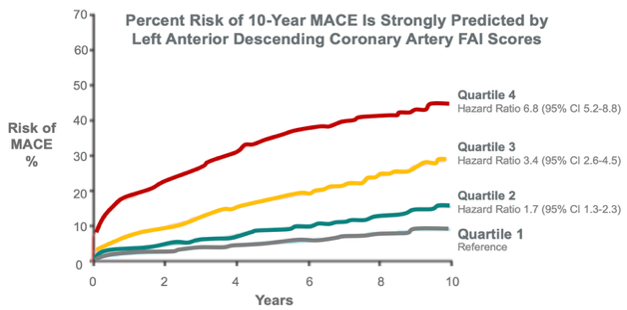
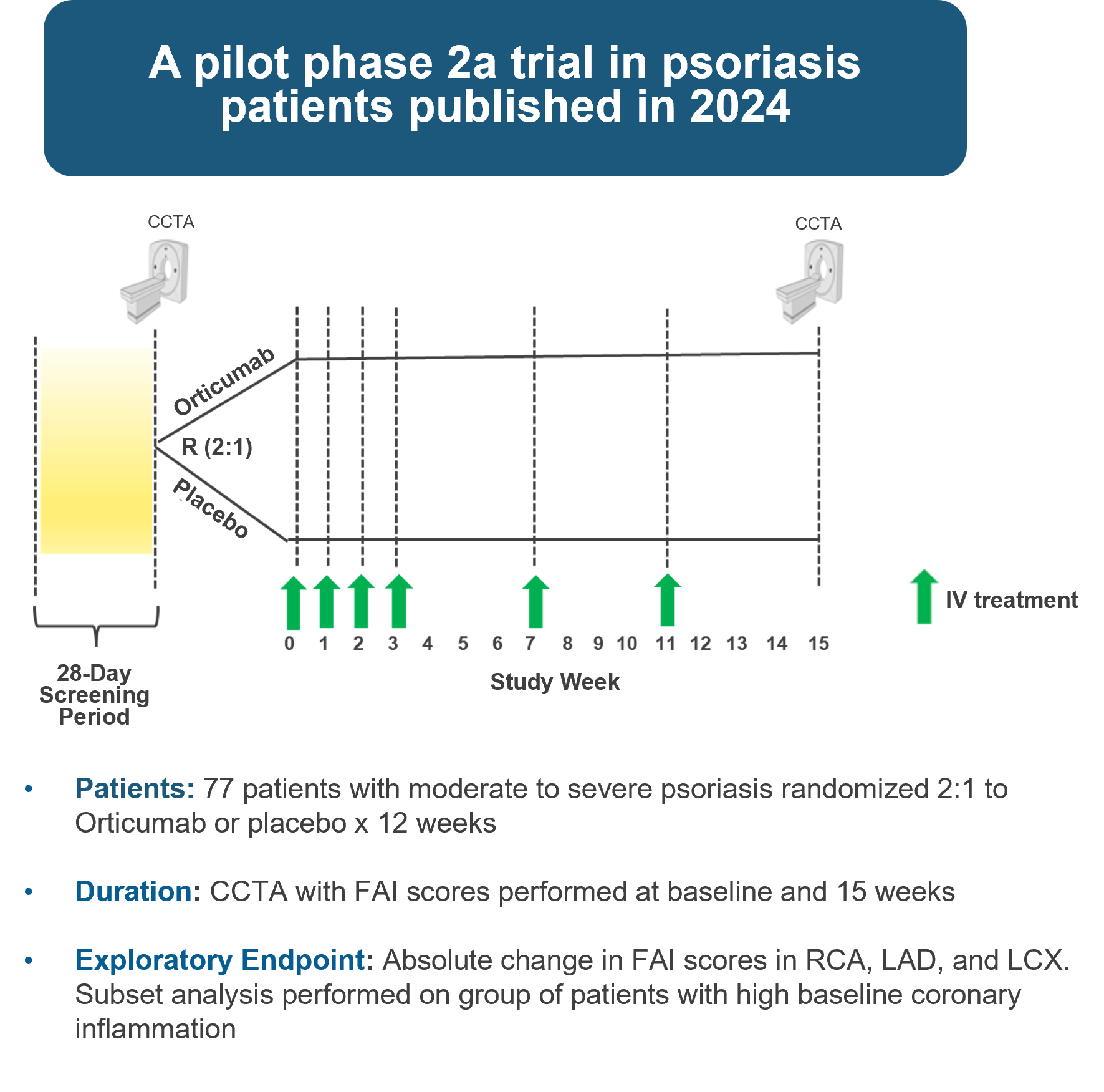
Orticumab significantly reduced coronary inflammation measured by FAI Score in a pilot phase 2a clinical trial


Presenting FORTIFY, an ongoing, multicenter, doubleblind, randomized, placebo-controlled phase 2b trial evaluating effect of orticumab on coronary inflammation after MI
Study Goal
To confirm activity of selected doses of Orticumab using FAI and ASCVD parameters
Study Design
- 40 sites across USA, UK and Europe
- 240 patients with history of type 1 MI with confirmed high FAI Score
- Double-blinded randomization to 2 clinical dose arms and 2 placebo arms
- Treatment duration 24 weeks
- Primary endpoint: Reduction in FAI Score at 24 weeks

summary
Plaque inflammation drives CV events.
Direct and safe ways to reduce plaque inflammation are needed.
Orticumab is a plaque-targeted anti-inflammatory therapy.
By inhibiting pro-inflammatory macrophages within plaques, this new approach has the potential to reduce CV risk on top of current standard of care.
Orticumab works Differently
Orticumab’s localized Mechanism of action creates opportunity for Better safety, tolerability and efficacy versus systemic anti-inflammatory drugs
Orticumab’s Differentiation and First- and Best-In Class Potential
- Physicians currently have limited treatment options for vascular inflammation
- Orticumab inhibits inflammation locally within plaque, unlike other inflammatory targets that have systemic effects
- Orticumab inhibits multiple complimentary inflammatory pathways that converge on atherosclerotic plaque
- Treating inflammation locally has the potential to vastly improve safety relative to systemic approaches, resulting in a significant commercial advantage
Comparison of Coronary Inflammation Targets
| anti-oxLDL | Microtubule Polymerisation |
IL-1β | IL-6 | |
|---|---|---|---|---|
| Class Inhibitors in ASCVD | Orticumab | Colchicine | Canakinumab | Ziltivekimab, Pacibekitug |
| Phase in ASCVD | Phase 2b | Marketed | Phase 3* | Phase 3 |
| Target’s Role in Health? | No | Yes | Yes | Yes |
| Site of Action (Anatomical Location | Local | Systemic | Systemic | Systemic |
| Breadth of Anti-Inflammatory Mechanism | Broad | Broad | Narrower | Narrowest |
| Known Class Safety Risks | None known to date | Frequent GI intolerance | Infections, neutropenia |
Serious infections, cellulitis, atopic dermatitis, GI perforation |
*development discontinued
In the News
Orticumab in Featured Publications
Below, find some of the most recent and relevant mentions of Abcentra and Orticumab in prestigious industry publications.

Farina, Christopher J. et al, 2025, Current Opinion in Lipidology August 2025
Li, S. et al, 2013, Molecular Metabolism Volume 2, Issue 3, August 2013, Pages 256-269
Goncalves et al, 2009, Atherosclerosis Journal Volume 205, ISSUE 1, P96-100, July 01, 2009
Strom et al, 2007, Atherosclerosis Journal Volume 190, ISSUE 2, P298-305, February 01, 2007
Schiopu et al, 2007, Journal of the American College of Cardiology Volume 50, Issue 24, December 2007
Schiopu et al, 2004, Circulation, American Heart Association Journals Vol 110, Issue 14. October 5, 2004
Farina et al, 2024, European Society of Cardiology, Cardiovascular Research March 25, 2024
Farina, Christopher J. et al, 2025, Current Opinion in Lipidology August 2025
Get the Answers